



























The Allure of Risk and Reward
The psychology behind casino games is deeply rooted in the allure of risk and reward. Many players are drawn to the excitement generated by the possibility of winning big, especially at a fast withdrawal casino uk real money where payouts are swift and satisfying. This thrill taps into our basic human instincts, as the potential for a significant monetary gain can trigger the release of dopamine, a neurotransmitter associated with pleasure and reward. This biological response reinforces the gambling behavior, making players more likely to engage repeatedly in hopes of experiencing that high again. This cycle of anticipation and reward is crucial in understanding why individuals are often compelled to return to casino environments.
This interplay between risk and reward is often amplified by the environment of the casino itself. The bright lights, the sounds of jingling coins, and the enticing visuals create an atmosphere designed to heighten emotional reactions. For many, this environment heightens the stakes, making the experience more thrilling. Psychologically, this can create a feeling of euphoria, drawing players into a trance-like state that encourages longer play and a more significant investment of both time and money. The sensory overload in these spaces is not accidental; it is carefully curated to enhance the gaming experience and promote continuous engagement.
Moreover, the unpredictability of outcomes in casino games enhances their appeal. Unlike many other forms of entertainment, where the outcome is usually predetermined, gambling introduces an element of chance that can be exhilarating. This unpredictability keeps players coming back, as each game provides an opportunity for a different outcome, stimulating the brain’s desire for novelty and excitement. The combination of these psychological factors explains why so many individuals find themselves irresistibly drawn to the gaming tables, as the promise of unexpected rewards can be a powerful motivator for continued play.
The Role of Cognitive Biases
Cognitive biases significantly influence how players perceive their chances of winning in casino games. One prominent example is the “gambler’s fallacy,” wherein players believe that past events affect future outcomes. For instance, if a roulette wheel has landed on black several times in a row, players may mistakenly think that red is due to come up next. This erroneous thinking can lead them to place bets based on perceived patterns rather than the actual 50/50 odds of each spin. Such misconceptions can fuel a cycle of betting that does not align with the true probabilities, ultimately leading to greater financial losses.
Another common bias is the illusion of control, where players feel they can influence outcomes through their actions, such as choosing a particular betting strategy or method of play. This belief can motivate players to engage more vigorously, feeling empowered even when their success is solely dependent on chance. Such biases can lead to increased spending and prolonged gaming sessions as players cling to the notion that they might “beat the odds.” This cognitive distortion is what ultimately keeps players enthralled and returning for more, often at their financial expense.
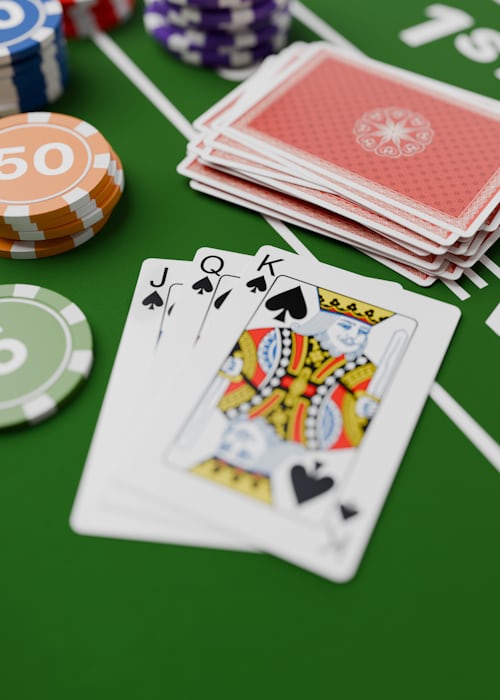
These cognitive biases can also be exacerbated by the design of casino games. Many games are structured to encourage specific behaviors that can lead to these cognitive errors. For example, slot machines employ near misses as a way to incentivize further play, as players believe they were close to winning and can achieve success with just one more spin. This design exploits psychological tendencies, reinforcing continued gambling behavior despite the odds being stacked against players. Understanding these biases is crucial for both players and casinos, as they shape the gambling experience on multiple levels.
The Impact of Social Interaction
Social interaction plays a significant role in the psychology of casino games. It contributes to the shared experience of gambling, especially in settings like card tables or crowded rooms filled with slot machines. Players often find camaraderie in the excitement of a game, cheering each other on and sharing stories that enhance the enjoyment of the experience. This social aspect fosters a sense of belonging, which can be especially appealing to individuals looking for connection and excitement. In many cases, the social environment can even overshadow the individual pursuit of winnings, transforming gambling into a community activity.
Moreover, the presence of others can impact players’ decisions and strategies. When gambling in a group, players may be more inclined to take risks or engage in higher-stakes betting, driven by the desire to impress or engage with peers. The social pressure of being in a lively environment can lead to a heightened emotional state where rational thinking diminishes, encouraging impulsive behavior. In this scenario, the support of fellow players can solidify a loop of ongoing participation, increasing both the risks and rewards associated with gambling. The collective energy in these environments can amplify emotions, making wins feel more significant and losses more bearable.
The nature of social interaction in casinos can also lead to phenomena such as collective winners and losers. Players often respond emotionally to a table or game winning streak, which can motivate others to join in, amplifying excitement. This dynamic often results in an environment where individuals feel compelled to continue playing, not just for individual gain but to partake in the energy and excitement of the group. Such social dynamics can create a powerful incentive to gamble that transcends the simple allure of the games themselves. Understanding these interactions can provide deeper insights into player behavior and motivations.
The Role of Game Design and Mechanics
The design and mechanics of casino games are meticulously crafted to enhance player engagement and increase the likelihood of continued play. Game designers employ various tactics, such as variable reward schedules, which are shown to be more effective in keeping players engaged compared to fixed schedules. When players do not know when they will win, the anticipation of a potential win becomes thrilling in itself, leading them to play longer and invest more. This unpredictability is a psychological trigger that makes games like slots especially addictive, as the thrill of the unknown can keep players on the edge of their seats.

Additionally, themes and aesthetics in gaming machines and tables are strategically chosen to appeal to a broad audience. By using vibrant colors, engaging graphics, and relevant themes—such as movies, music, or even popular culture—game designers create an immersive experience. This alignment with personal interests can evoke nostalgia or excitement, enhancing emotional connection and encouraging players to participate. The psychological impact of appealing design cannot be underestimated as it plays a crucial role in driving player investment, making the act of gambling feel more like a captivating experience than mere chance.
Importantly, sound effects also play a significant role in game mechanics and player experience. The auditory feedback provided by wins, whether small or substantial, reinforces positive feelings and encourages further participation. Sound cues can stimulate excitement and even mimic the sensations of winning, creating an illusion of success that keeps players engaged longer. Together, these elements of game design and mechanics form a potent psychological arsenal that taps into various human emotions and cognitive responses, ensuring that players remain captivated by the experience. This meticulous crafting not only increases the likelihood of continued play but also shapes how players perceive their overall experience.
Understanding Player Behavior on Gaming Platforms
Understanding player behavior on gaming platforms is essential for casinos looking to refine their operations and enhance customer experience. Online gaming has surged in popularity, with player behavior shifting significantly in a digital landscape. Factors such as convenience and accessibility have made online casino experiences incredibly appealing, but they have also changed how players engage with games and interact with one another. Many players find themselves immersed in the online realm, often spending longer hours playing than they would in a traditional casino setting. The digital environment presents unique challenges and opportunities for understanding player motivations and preferences.
Furthermore, online platforms use sophisticated tracking and analytics to understand player behavior better. By analyzing data on user interactions, casinos can customize experiences, offering tailored promotions, bonuses, or game recommendations to keep players engaged. This level of personalization appeals to players’ desires for recognition and value, creating a more compelling gaming experience. The strategic use of technology allows casinos to harness psychological insights to optimize engagement, ultimately leading to higher retention rates and increased player satisfaction.
Finally, player behavior on gaming platforms can also be influenced by social elements such as forums, live streams, and chat functions. These features offer a sense of community that can be alluring to players, making them feel included and connected, even in a virtual environment. The understanding of these behaviors is crucial for casinos, as they increasingly focus on the social aspects of gaming and recognize their importance in retaining customer loyalty. As the industry continues to evolve, insights into player psychology will remain essential for shaping future gaming experiences, ensuring that both traditional and online environments meet the needs and desires of players effectively.